
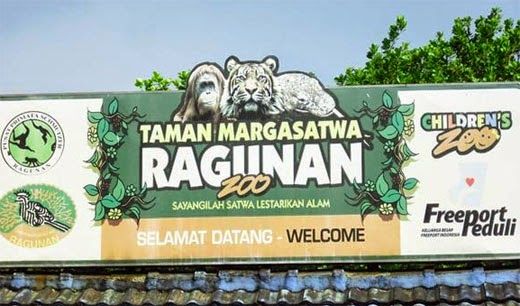
Jakarta Zoo, the bustling capital city of Indonesia, is not only known for its skyscrapers, shopping malls, and vibrant culture but also for its treasured sanctuary of wildlife—the Jakarta Zoo. Officially known as Ragunan Zoo, this iconic destination is more than just a recreational park. It is a place where education, conservation, and entertainment come together to provide visitors with a memorable experience.
For decades, Jakarta Zoo has been a family-friendly attraction that brings people closer to nature and wildlife. From rare animals of Indonesia’s tropical forests to exotic species from other continents, the zoo stands as a bridge connecting humans and the animal kingdom.
A Brief History of Jakarta Zoo
The history of Jakarta Zoo dates back to the 19th century. Established in 1864, it was originally located in Cikini, Central Jakarta, before being relocated to Ragunan in South Jakarta in 1966. Covering approximately 140 hectares, the zoo has become one of the largest in Southeast Asia.
Its relocation to Ragunan was aimed at giving animals more space in a greener, more natural environment. Over time, the zoo has transformed into a major educational and recreational site, attracting millions of visitors annually. Today, Jakarta Zoo continues to evolve with the mission of wildlife conservation, environmental education, and recreation.
Rich Diversity of Animals
Jakarta Zoo is home to more than 2,000 animals representing over 220 species. Many of these animals are native to Indonesia, a country renowned for its rich biodiversity.
Native Indonesian Animals
- Komodo Dragon – The world’s largest lizard, found only in Indonesia’s Komodo Islands.
- Orangutan – The iconic great ape of Borneo and Sumatra.
- Anoa – A rare dwarf buffalo from Sulawesi.
- Cendrawasih (Bird of Paradise) – Known for its vibrant feathers and elaborate courtship dances.
Exotic International Species
Besides native animals, Jakarta Zoo also houses international species such as lions, tigers, giraffes, hippos, and elephants. This wide variety gives visitors the chance to explore animals from different parts of the world without leaving the city.
Conservation and Education
Beyond being a tourist destination, Jakarta Zoo plays an important role in conservation efforts. Many species living in the zoo are endangered, and the institution actively participates in breeding programs to help sustain their populations.
In addition, the zoo offers educational programs for students and families. These programs teach the importance of protecting wildlife, conserving natural habitats, and fostering respect for the environment. Schools across Jakarta often include trips to Ragunan Zoo in their annual activities, as the experience provides practical learning outside the classroom.
Attractions and Activities
Jakarta Zoo is not just about viewing animals from afar. It offers many attractions that make visits engaging and enjoyable for all ages.
- Schmutzer Primate Center – One of the highlights of the zoo, dedicated to primates such as gorillas, chimpanzees, and orangutans. It is one of the best primate centers in Southeast Asia.
- Children’s Zoo – A special area where kids can interact with smaller animals and learn more about them.
- Animal Shows – Educational shows that demonstrate the natural behavior of animals in a safe environment.
- Horse Carriage and Bike Rentals – Options for visitors to explore the large grounds comfortably.
- Beautiful Gardens and Lakes – Perfect spots for picnics and relaxation amidst nature.
These attractions ensure that the zoo is not only educational but also entertaining. Families, school groups, and tourists can spend an entire day enjoying its diverse offerings.
Visiting Jakarta Zoo
Jakarta Zoo is open daily, typically from morning until late afternoon. Entrance fees are affordable, making it accessible to people from all walks of life. Public transportation options and ride-hailing services make it easy to reach the zoo from any part of Jakarta.
Visitors are advised to wear comfortable clothing and carry water, as the zoo is quite vast and requires a lot of walking. Weekends and public holidays are the busiest times, so those looking for a quieter experience might prefer weekdays.
Jakarta Zoo and the Local Community
Jakarta Zoo also plays a social role within the community. It provides a green space for Jakarta residents to escape the city’s hustle and bustle. For many families, especially those living in urban areas, it serves as one of the few opportunities for children to connect with nature and wildlife directly.
Local vendors outside and within the zoo area also benefit from the large number of visitors, creating an ecosystem that supports small businesses. This connection highlights the zoo’s role not only as an educational institution but also as part of Jakarta’s economic and cultural life.
Challenges and Future Development
Like many large zoos, Jakarta Zoo faces challenges in terms of funding, maintenance, and ensuring the welfare of its animals. Animal rights activists have often called for improvements in enclosures, enrichment activities, and management practices.
In response, the management has been working on gradual improvements, including renovating enclosures, introducing better visitor facilities, and promoting eco-friendly practices. There are also plans to enhance digital engagement, such as virtual tours and online educational content, to reach wider audiences.
By balancing conservation, education, and recreation, Jakarta Zoo aims to remain a leading wildlife park not only in Indonesia but also in Southeast Asia.
Conclusion
Jakarta Zoo, or Ragunan Zoo, stands as one of the most important landmarks in Indonesia’s capital city. With its rich history, diverse animal collection, and commitment to conservation and education, it continues to inspire and entertain millions of visitors.
Safari Park For families, students, tourists, and animal lovers, the zoo is more than just a place to see animals—it is a reminder of the importance of living in harmony with nature. As Jakarta continues to grow as a modern metropolis, Jakarta Zoo remains a green oasis, connecting people with the beauty and wonder of wildlife.